Skincare Trends to Watch in 2026: Stay Ahead of the Curve
 Kevin @Amabelle
Last updated: 13 Jan 2026
4154 Views

Skincare Trends to Watch in 2026: Stay Ahead of the Curve
The skincare industry in 2026 is entering an era where consumers are more knowledgeable, more aware of their own skin, and more rational in their purchasing decisions. Skincare trends are no longer driven by marketing claims alone, but by scientific evidence, product safety, and long-term results.
This article introduces the key skincare trends of 2026, explained in a clear and accessible way while being supported by dermatological principles. It is suitable for both consumers and those developing skincare brands.
Why Are Skincare Trends Changing in 2026?
Several key factors are driving this shift:
-
Skin problems caused by pollution, stress, and modern lifestyles
-
Easier access to dermatological knowledge and ingredient information
-
A growing belief that “healthy skin matters more than fast whitening results”
As a result, the skincare market in 2026 emphasizes sustainable, personalized skin care rather than one-size-fits-all solutions.

1. Personalized Skincare
Consumers increasingly believe that skincare should not be the same for everyone. In 2026, the focus is on selecting products that truly match individual skin conditions, such as dry skin, sensitive skin, acne-prone skin, or skin that requires targeted repair.
Key features of this trend:
-
Formulas tailored to specific skin concerns
-
More precise and visible results
-
A premium and professional brand image
2. Skin Repair Over Fast Results
In the past, skincare often emphasized quick, visible outcomes such as brighter skin within days. In 2026, the focus shifts toward repairing the skin at the cellular and structural levels.
Regenerative Skincare is a concept that aims to:
-
Stimulate the skin’s natural repair mechanisms
-
Support collagen and elastin production
-
Reduce chronic skin inflammation
This approach aligns with dermatological principles that recognize strong, healthy skin from within as safer and more sustainable than short-term, aggressive treatments.
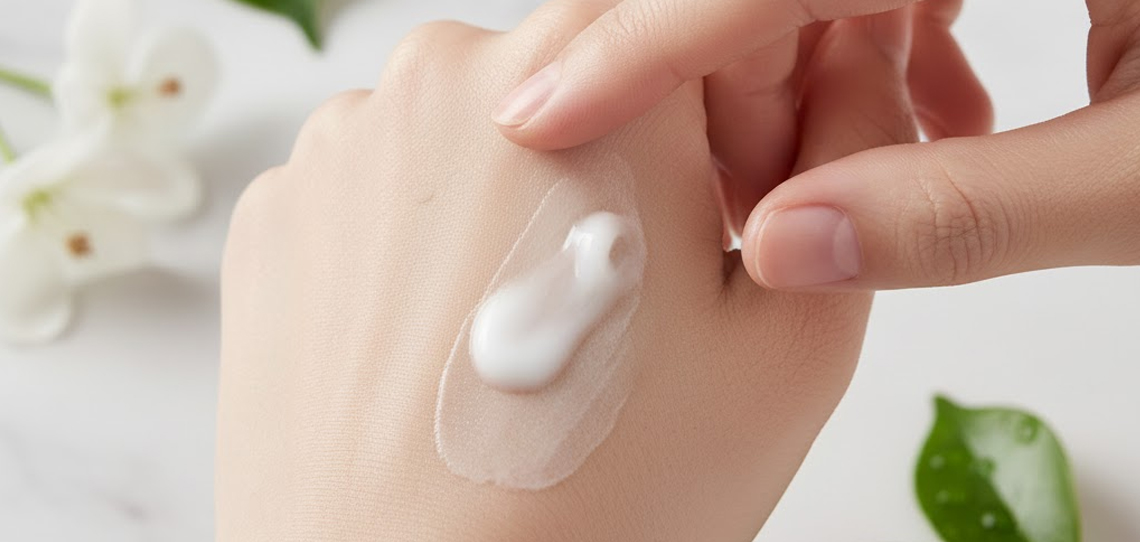
3. Skin Barrier & Microbiome Care
In 2026, consumers have a deeper understanding of the skin barrier and microbiome. A healthy skin barrier helps to:
-
Retain moisture
-
Prevent irritation
-
Reduce recurring skin issues
At the same time, the skin microbiome—beneficial microorganisms living on the skin—plays a vital role in maintaining balance. When this balance is disrupted, skin becomes weaker, more sensitive, and more prone to inflammation.
Skincare products that strengthen the skin barrier while preserving microbiome balance have become one of the fastest-growing product categories in 2026.
4. Gentle & Daily-Use Formulas
Consumers are moving away from harsh skincare products and choosing formulas that can be used continuously without thinning the skin or causing cumulative irritation.
This philosophy aligns with long-term skincare principles that emphasize consistent care rather than short-term fixes. Gentle yet effective formulations have become a key selling point for skincare brands in 2026.
5. Ingredient Transparency Builds Trust
Modern consumers no longer rely solely on marketing claims. They want to know:
-
What the ingredients are
-
How they work on the skin
-
Whether scientific evidence supports their effectiveness
Brands that communicate ingredient information clearly, accurately, and in an easy-to-understand manner gain more trust than those using exaggerated claims. As a result, educational content and science-based communication have become essential marketing tools.
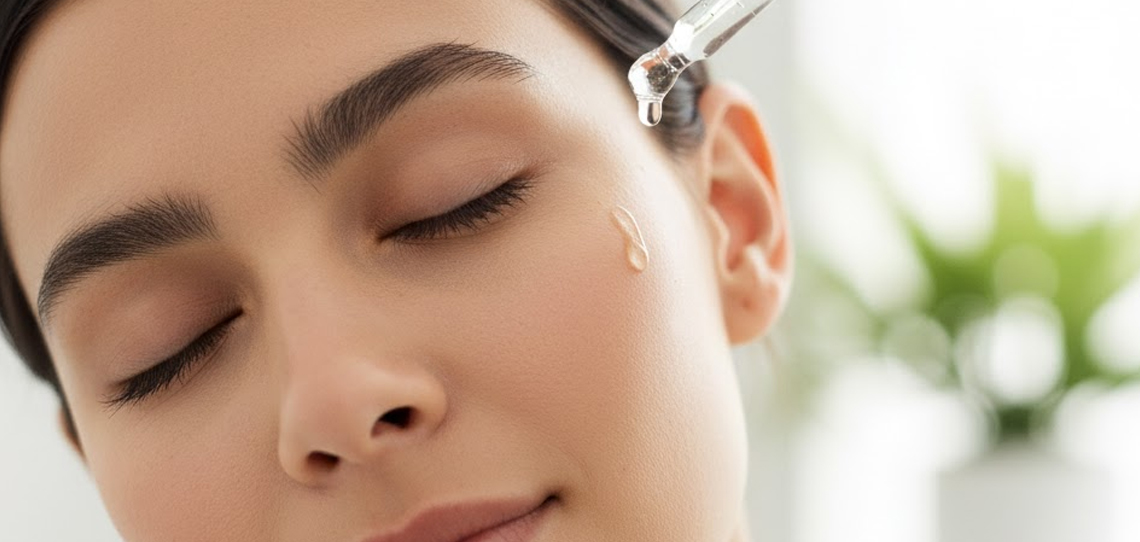
6. Sensitive Skin Is No Longer a Niche Market
The number of people with sensitive skin continues to rise due to pollution, stress, and past misuse of unsuitable skincare products. In 2026, sensitive-skin skincare has become a mainstream market rather than a niche segment.
Products that are safe, gentle, and dermatologically tested for irritation are in particularly high demand.
7. Sustainability & Ethical Beauty: Beauty with Responsibility
Sustainability is no longer just a trend—it has become a key purchasing factor. Consumers now consider:
-
The sourcing of raw materials
-
Environmental impact
-
Eco-friendly packaging
Brands that prioritize sustainability and ethical practices can build a strong brand image and long-term emotional connections with consumers.
Conclusion
Skincare trends in 2026 represent a balance between science, skin understanding, and sustainability. Consumers are looking for products that are safe, suitable for their skin, and effective for long-term use. Brands that develop formulations and communicate based on these principles will gain a clear competitive advantage in the market.
Starting Your Own Soap Brand
If you are considering creating your own brand or need product samples, feel Free to consult with our team for free guidance. We have a dedicated R&D team to help you from start to finish. Our factory meets GHPs and FDA standards, and we offer production runs starting from just 100 pieces!
♥ Start Your Brand Start With Amabelle ~
Line Official : @amabelle
Tiktok Official : @amabelle.oem
Facebook : Amabelle รับผลิตเครื่องสำอาง รับสร้างแบรนด์ครบวงจร
Related Content

As the COVID-19 pandemic continues to pose a threat in various regions of Thailand, it is essential not to overlook self-care during this challenging time. In this article, we will discuss effective ways to protect yourself from COVID-19 infection, warning signs to watch out for, and practical prevention methods that can be incorporated into daily life.

In today’s environment filled with pollution, PM2.5 dust, heat, and intense UV rays, our skin is constantly exposed to free radicals that damage skin cells. As a result, antioxidants play a crucial role in protecting and repairing the skin helping maintain youthful, healthy-looking skin.

The Thai sun is no joke these days! Just a few minutes outdoors can leave your skin red, burning, sunburned, and visibly darker. If you're looking for effective ways to recover from sunburn and get your skin back to looking fresh and healthy, you're in the right place.

