What Are Physical, Chemical, and Hybrid Sunscreens? Which One Should You Choose?
 Kevin @Amabelle
Last updated: 21 Nov 2025
1597 Views

What Are Physical, Chemical, and Hybrid Sunscreens? Which One Should You Choose?
Sunscreen is an essential product that protects the skin from UVA and UVB rays, which are the main causes of premature wrinkles, dark spots, and dullness. However, many people are still confused about which type of sunscreenPhysical, Chemical, or Hybridis better and which suits their skin best.
This article will guide you to understand these three types of sunscreens in an easy way to help you pick the most suitable product for your skin.
1. Physical Sunscreen
Physical sunscreen, also known as mineral sunscreen, works by forming a thin protective barrier on the skin using natural mineral filters like Zinc Oxide and Titanium Dioxide. When UVA and UVB rays hit the skin, this layer reflects and scatters the rays, reducing the chances of skin cell damage. This barrier provides immediate protection as soon as it is applied.
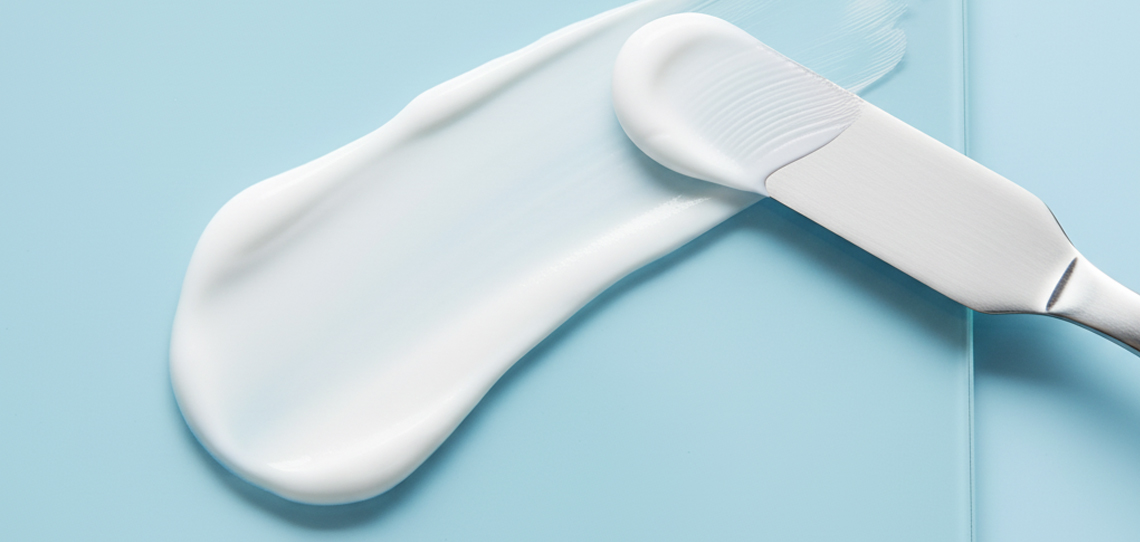
Advantages of Physical Sunscreen:
-
Provides immediate protection upon application; no waiting time needed
-
Gentle and suitable for sensitive and delicate skin
-
Less likely to cause irritation
-
Offers broad-spectrum protection against UVA and UVB rays
-
Highly stable and does not easily degrade under sunlight
Limitations of Physical Sunscreen:
-
May leave a white cast on the skin
This is a common drawback, especially for people with medium to dark skin tones, making makeup application difficult and the skin look unnatural. -
Usually has a heavier texture and can be harder to spread
Physical sunscreens often feel thicker, especially those with high concentrations of Zinc Oxide and Titanium Dioxide, which may feel heavy, sticky, or difficult to blend. -
Can easily come off due to sweat or friction
Because physical sunscreens work by coating the skin and reflecting rays, they may be wiped off easily when sweating or rubbing the face, so frequent reapplication is necessary.
2. Chemical Sunscreen
Chemical sunscreens work by absorbing UV radiation and converting it into heat, which is then released from the skin. Common chemical filters include Avobenzone, Octinoxate, and Octocrylene. Unlike physical sunscreens that reflect rays, chemical sunscreens trap the UV rays to prevent them from penetrating skin cells.
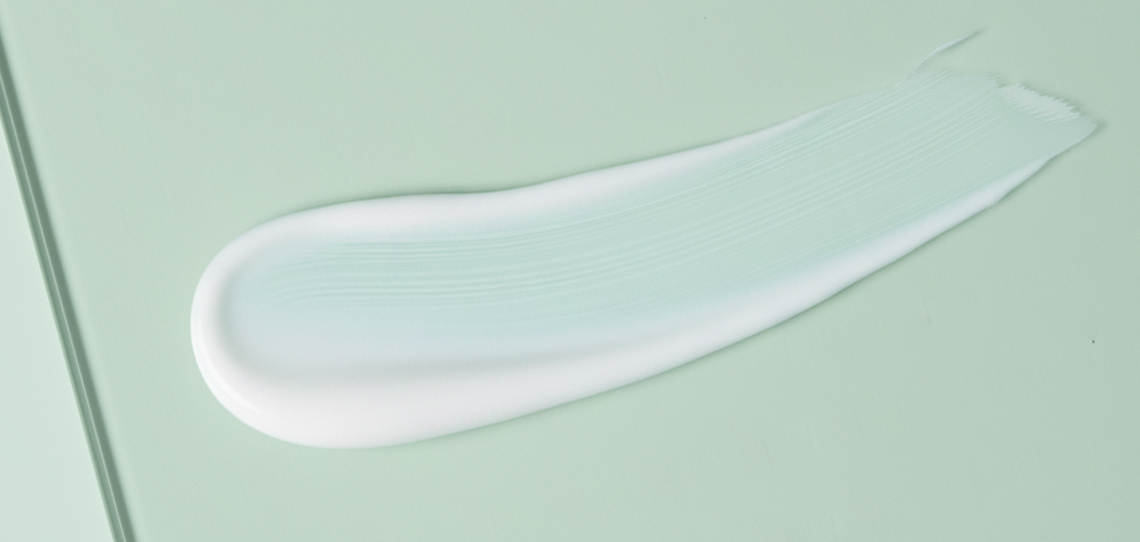
Advantages of Chemical Sunscreen:
-
Lightweight texture that spreads easily without leaving a white cast
-
Suitable for daily use and makeup application
-
Feels comfortable and non-greasy on the skin
-
Does not leave a white residue, ideal for oily and combination skin types
Limitations of Chemical Sunscreen:
-
Higher chance of causing irritation
Because chemical sunscreens absorb UV rays and convert them to heat, some people may feel a burning sensation, heat, or allergic reactions, especially those with sensitive or acne-prone skin. -
Requires application in advance before sun exposure
Unlike physical sunscreens that protect immediately, chemical sunscreens need to be applied 1520 minutes before going outdoors to work effectively. Applying and going out immediately may reduce their effectiveness. -
Not suitable for sensitive or acne-prone skin
Some formulas contain high amounts of alcohol, fragrance, or silicone, which can clog pores or increase oiliness, particularly in those with large pores or oily skin.
3. Hybrid Sunscreen
Hybrid sunscreen combines both physical and chemical filters in one formula, using ingredients that reflect and absorb UV rays. This creates a more comprehensive and balanced protection.
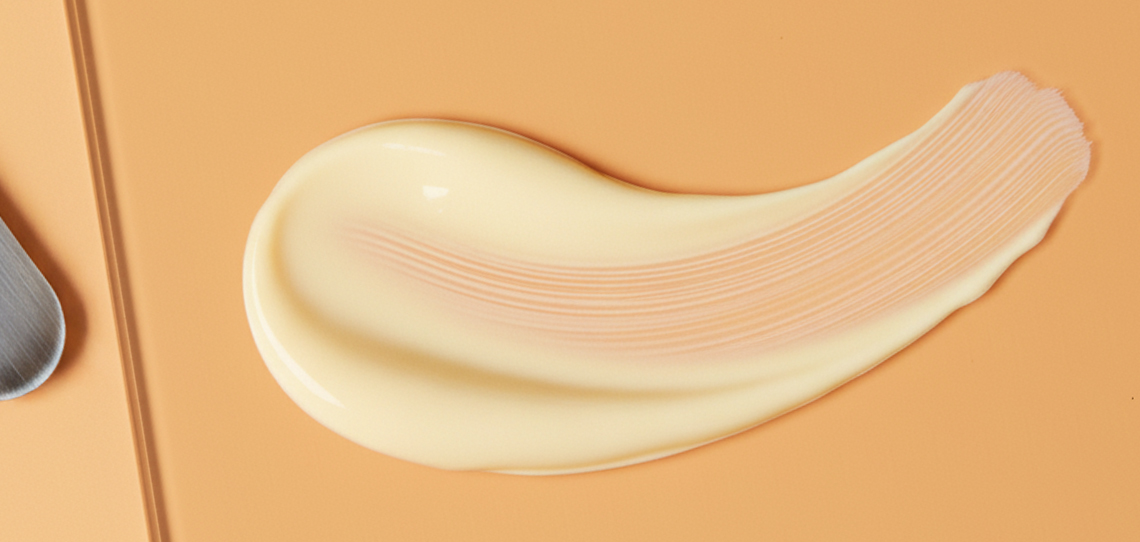
Advantages of Hybrid Sunscreen:
-
Provides both physical and chemical protection
-
Easier to spread than pure physical sunscreens
-
Reduces the chance of white cast while offering long-lasting protection
-
Suitable for everyday use and outdoor activities
-
Lowers the risk of irritation compared to pure chemical sunscreens
Limitations of Hybrid Sunscreen:
-
May cause irritation in some skin types
Because hybrid sunscreens still contain chemical filters, sensitive or acne-prone skin may experience burning, itching, or redness. -
Texture may not be lightweight in all formulas
Some formulas that combine multiple filters can feel heavy, sticky, or clog pores if not matched well to your skin type. -
Potential to clog pores
Even with physical filters included, high amounts of oils or silicones can still trigger acne in easily clogged skin.
Conclusion
There is no one-size-fits-all answer to which sunscreen is best for everyone. It depends on your skin type and lifestyle. If you have sensitive skin or have recently undergone skin treatments, physical sunscreen is generally safer. If you prefer a lightweight formula that blends well with makeup, chemical sunscreen might be a better fit. Hybrid sunscreens suit those looking for a balanced option with convenient everyday use.
The most important thing is not the type of sunscreen but to apply it consistently in sufficient amounts and reapply throughout the day to ensure continuous and effective protection.
Starting Your Own Soap Brand
If you are considering creating your own brand or need product samples about Sunscreen, feel Free to consult with our team for free guidance. We have a dedicated R&D team to help you from start to finish. Our factory meets GHPs and FDA standards, and we offer production runs starting from just 100 pieces!
♥ Start Your Brand Start With Amabelle ~
Line Official : @amabelle
Tiktok Official : @amabelle.oem
Facebook : Amabelle รับผลิตเครื่องสำอาง รับสร้างแบรนด์ครบวงจร
Related Content
How to display cosmetic labels legally: What brand owners need to know. Have you ever been confident that the "cosmetic label" of your brand complies with Thai legal requirements?

During pregnancy, the safety of both the mother and the unborn baby is the most important. Therefore, choosing skincare products must take into account safe ingredients, as some ingredients in skincare can affect the health of the baby or the mother.

Do you want to create your own soap brand? Starting a soap business is easier than you think! Whether it’s choosing the right soap formula, designing the packaging, or executing online marketing strategies, this article will guide you through everything you need to know to launch a successful soap brand.

